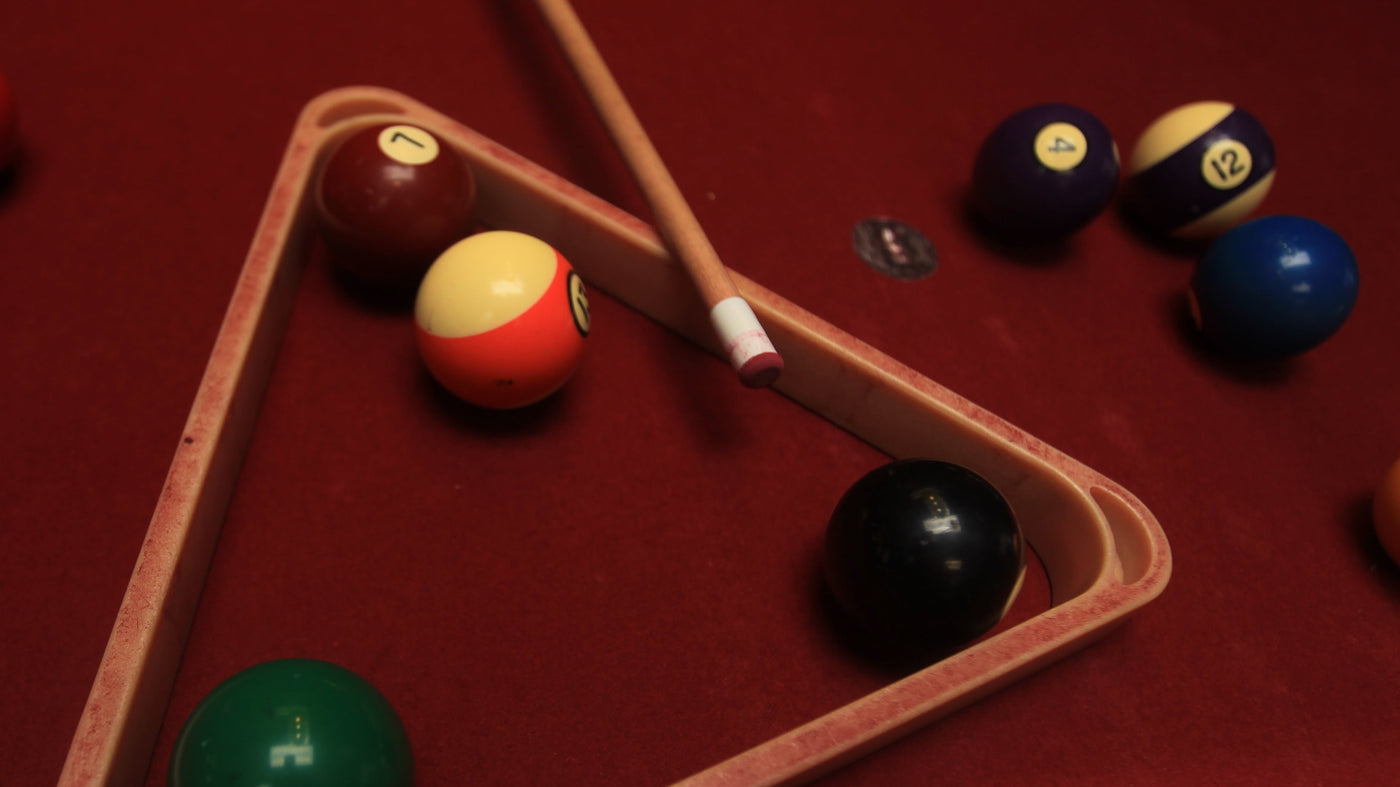

The cue tip is the only part of your cue stick that actually touches the cue ball, so even a small issue can lead to miscues, loss of spin, and poor control.
When the tip is too thin, glazed, or cracked, you’ll struggle to get consistent results, even if you’re using one of the best pool cues available in the market.
This guide will walk you through each step clearly so you can fix minor damage yourself, protect your investment, and know exactly when it’s time to upgrade or replace instead of repair.
A healthy tip should:
• Hold chalk easily
• Have a rounded, even shape (dime or nickel radius is common)
• Feel secure on the ferrule with no wobble, gaps, or lifting edges
If your shots start slipping, chalk won’t stay on, or the cue tip looks almost level with the ferrule, it’s time for a repair or replacement.
Signs Your Cue Tip Needs Repair
Before you grab a knife or sandpaper, confirm whether repair is enough or a full re-tip is required.
Common signs it’s time to act:
• Tip is worn down close to the ferrule
• Edges are mushroomed (spreading wider than the ferrule)
• Surface is rock-hard and shiny (glazed)
• Small chips or cracks on the side
• Tip feels loose or has partially lifted
Light glazing or minor mushrooming can often be fixed with shaping and burnishing. Deep cracks, delamination (layers separating), or a tip that keeps popping off means you should replace the tip entirely rather than trying to repair it.
Tools You Need to Repair a Pool Cue Tip
You don’t need a cue lathe or pro workshop to do a solid DIY re-tip. A basic home setup can include:
• Sharp razor blade or utility knife (for removing the old tip)
• Fine-grit sandpaper or a tip shaper (for cleaning and shaping)
• Cue tip cement or gel super glue (made for billiard tips)
• Cue tip clamp or a simple elastic clamp to hold the tip in place
• Microfiber cloth and a little rubbing alcohol (to clean the ferrule)
• New tip in your preferred hardness (soft, medium, or hard)youtube
If you want to learn about different parts of a pool cue and understand exactly how the ferrule and shaft work together, it’s worth reading a dedicated breakdown before your first repair so you know what not to damage.
Step-by-Step: How to Replace a Cue Tip at Home?
Below is a simple, practical process to change your cue tip safely and cleanly.
Step 1: Secure the Cue and Remove the Old Tip
• Lay the billiard cue on a stable, flat surface so it doesn’t roll.
• With a sharp blade, carefully slice away the old tip in thin layers, keeping the blade flat against the ferrule to avoid cutting into it.
• Stop when only a thin layer of glue remains on top of the ferrule.
Patience is essential here: rushing this step is how most people scratch or chip the ferrule.
Step 2: Clean and Level the Ferrule
• Use fine-grit sandpaper or a top sander to remove the remaining glue and make the ferrule surface flat and smooth.
• Wipe the top with a microfiber cloth and a little alcohol to remove dust and oils.
You want a clean, level surface so the new tip bonds evenly and doesn’t rock or twist over time.
Step 3: Prepare the New Tip

• Lightly scuff the glue side of the new tip on a piece of sandpaper placed flat on a table.
• Create a matte, rough surface, this gives the glue more grip.
Different tip hardness levels change how your pool cues play: softer tips grip the cue ball and generate more spin, while harder tips favor control and durability.
Choose based on your playing style, not just what others use.
Step 4: Glue and Center the New Tip
• Apply a small, even layer of cue tip cement to the ferrule (or the back of the tip).
• Press the tip firmly onto the ferrule, making sure it is centered.
• Wipe away any squeezed-out glue with a cloth or paper towel.
Once you’re satisfied with the alignment, attach a cue tip clamp over the tip and leave it to dry for the recommended time, typically 15-30 minutes depending on the adhesive.
Step 5: Trim the Edges to Match the Ferrule
• After the glue has cured, use your blade or a tip trimmer to carefully shave the excess leather from the sides of the tip.
• Work in small strokes, rotating the shaft as you go, using the ferrule edge as your visual guide.
Step 6: Shape and Burnish the Tip
• Use a tip shaper or fine sandpaper to round the top of the tip to your preferred curvature (dime or nickel radius).
• Lightly moisten and burnish the side of the tip with leather or a dedicated burnisher to seal the edges and reduce mushrooming.
Finally, scuff the top surface so it holds chalk effectively, then chalk up and test with a few gentle shots.
Quick Table: Common Cue Tip Issues and DIY Fix
|
Problem |
What You’ll Notice |
DIY Fix |
|
Glazed, shiny tip surface |
Chalk slips off, miscues increase |
Lightly scuff or shape and re-burnish |
|
Mushrooms over ferrule |
Tip wider than ferrule, soft edges |
Trim sides carefully, then burnish |
|
Tip nearly level with ferrule |
Little leather left, feels too hard |
Full tip replacement recommended |
|
Loose or rocking tip |
Tip twists or feels unstable |
Remove completely, clean ferrule, install new tip |
|
Deep cracks or delamination |
Visible splits or separated layers |
Replace tip; repair is not reliable long term |
These simple checks help you decide if a quick repair is enough or if you need a full re-tip to protect your pool cue shafts and overall performance.
Choosing the Right Replacement Tip to Match Your Game
Not all tips feel the same, and choosing wisely makes your repair more rewarding.
Key factors to think about:
1. Hardness:
• Soft tips: more grip, more spin, but wear faster.
• Medium tips: balanced feel; a popular choice for league players.youtube
• Hard tips: consistent hit, hold shape longer, excellent for breakers.
2. Cue type: A dedicated masse cue stick or break cue often benefits from firmer, specialized tips.
3. Playing style: If you rely on spin-heavy positional play, a slightly softer tip can help, whereas straight, firm hitters may appreciate harder options.
Protecting Your New Tip: Simple Maintenance Habits

Once you’ve repaired or replaced the tip, small habits will keep it performing longer.
Good practices:
• Chalk from the side, not straight into the face of the tip
• Keep the cue out of extreme heat or moisture to prevent dry rot
• Lightly shape and scuff the tip when it starts to glaze rather than waiting for serious problems
Storing your cue in well-fitted pool cue cases also protects both the tip and shaft from accidental knocks, warping, and temperature swings during transport.
FAQ:
Q: How do I fix a worn pool cue tip?
A: Reshape it into a smooth dome, scuff the top so it holds chalk, and burnish the sides. If the tip is too thin, cracked, or close to the ferrule, replace it instead of trying to fix it.
Q: How often should I replace my cue tip?
A: Most players change their tip every 6–12 months, but the real sign is wear. If it’s thin, cracked, glazed, or not holding chalk, it’s time for a new one.
Q: Can I replace a cue tip without special tools?
A: Yes. A blade, sandpaper, glue, and a simple clamp are enough if you take your time. Cue-specific tools make it cleaner, but they’re not required.
Q: Why does my cue tip keep popping off?
A: This usually happens when the ferrule wasn’t cleaned well, the glue layer was uneven, or the cue wasn’t clamped long enough. Cleaning the ferrule and using good glue with full drying time fixes the issue.
Q: Which cue tip hardness should I choose?
A: Soft tips give more spin, hard tips give more firmness, and medium tips offer the best balance. If you’re unsure, go with medium, it works well for most playing styles and shaft types, including carbon fiber.
Where to Find Quality Cue Tips and Accessories?
If you’re ready to repair your tip, at Billiards and Pool Center, we offer a curated collection of cue tips that makes it easier to match your playing style.
Restoring a cue tip at home is one of the simplest ways to improve feel, accuracy, and confidence without replacing your whole setup.
If you’re ready to give your current cue shaft a new lease on life, check out the focused selection of cue tips designed for different playing styles and budgets.
Choose the one that fits your game.
Your next rack will show you the difference immediately.