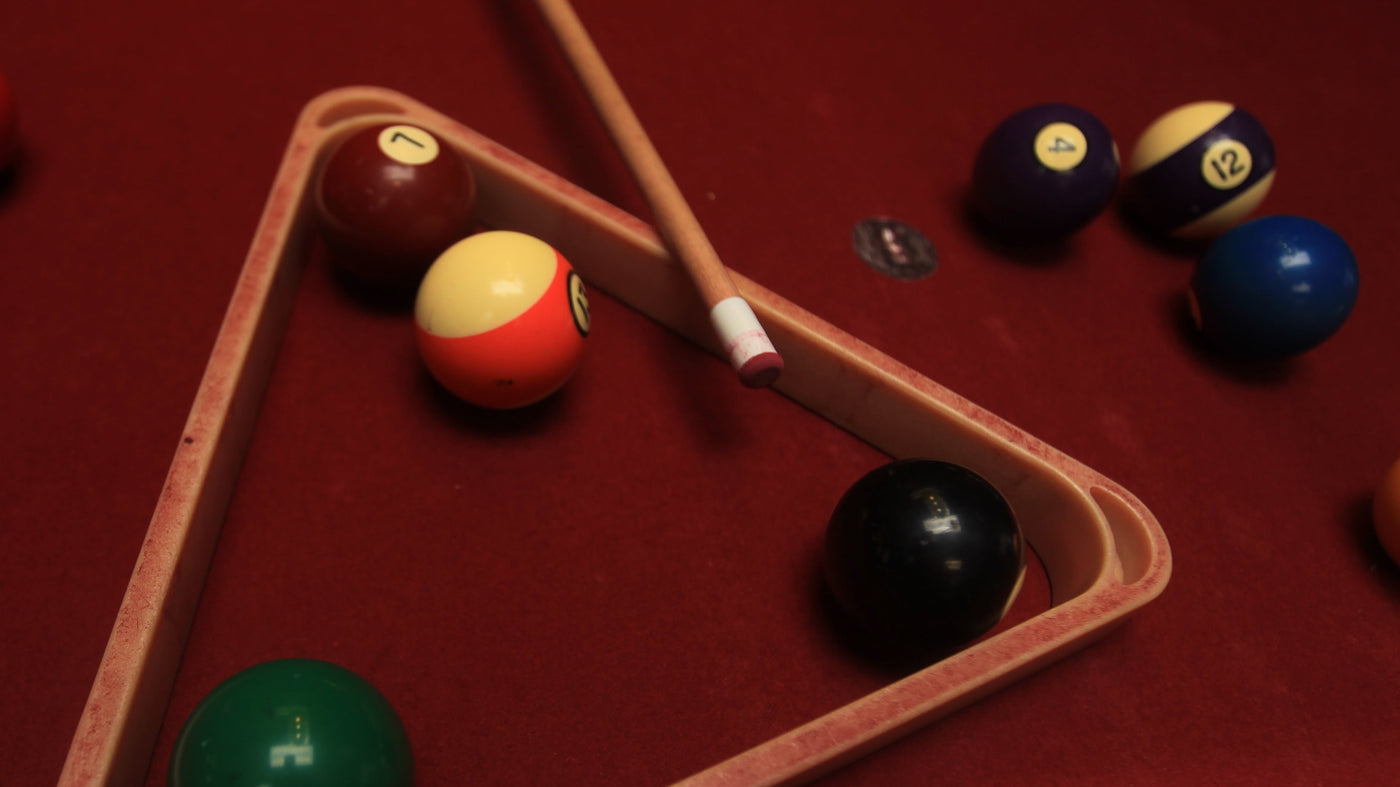

Most pool advices are shown from a right-handed angle. Left-handed players often end up flipping those in their head, copying stances that feel off, and guessing their way through awkward positions.
It can feel like the game was designed for someone else.
This guide does the opposite. It starts with left-handed players in mind from the first line. It explains stance, aiming, cue choice, and practice in a way that speaks directly to how a lefty stands, sees the table, and moves around it.
By the end, a left-handed player should:
• Know how to set up a stance that feels natural and stable.
• Understand how to pick cues and shafts that match their stroke.
• See how to turn “different angles” into real advantages against right-handed opponents.
If you are left-handed and want clear, simple answers instead of guessing, this is the piece that connects everything in one place.
Why Being Left-Handed Can Actually Help Your Game?
Left-handed players are fewer across most cue sports. This means:
• Opponents are less used to your shot angles and safety patterns.
• Common “awkward” shots for right-handers may feel natural for you.
• You can attack positions from layouts other players avoid.
Instead of trying to look like right-handed players, it’s more powerful to build solid fundamentals in a way that matches your natural side, then lean into the unique table views you get as a lefty.
Left-Handed Stance: Getting Comfortable and Stable
A good stance is where everything starts. For left-handed players, the basic structure is:
• Left foot slightly in front, pointing roughly toward the line of the shot.
• Right foot back and out to the side for balance.
• Upper body lowered so your head is close to the cue stick, with eyes directly over or just slightly inside the shot line.
• Right hand forming the bridge on the table, left hand holding and guiding the butt of the billiard cue.
Key points to check:
→ You feel stable. If someone gently nudged you, you wouldn’t wobble.
→ You can move the cue back and forth in a straight line without your body swaying.
→ You can hold this stance for a few seconds comfortably, no twisting or forcing.
Spend time on just this, even without balls on the table. The more natural your left-handed stance feels, the easier everything else becomes.
Choosing Cues That Really Suit Left-Handed Players

Cues are not “right-handed” or “left-handed,” but how they feel in a left-handed stroke matters a lot. When you test pool cues, pay attention to three things:
1. Weight and Balance
• If the cue feels heavy at the front, your left hand may work harder to keep strokes straight.
• If it’s too light, you may over-hit without noticing.
• Look for a balance point that lets your stroke feel smooth and relaxed.
2. Grip and Wrap
• The texture where your left hand holds the cue should feel secure but not sticky.
• Try different wraps, linen, leather, or wrapless to see what your left hand likes most.
3. Shaft Feel
• Your right-hand bridge slides along the shaft constantly.
• The surface should feel smooth, not grabby, so your stroke doesn’t jerk or hesitate.
As your game improves, you may move toward best pool cues but the priority never changes: comfort, control, and confidence in your left-handed stroke.
Understanding Cue Parts So You Can Fix Problems Early
Knowing the main parts of a pool cue helps you spot issues before they harm your game:
• Tip: Where chalk is applied; controls spin and feel.
• Ferrule: Small piece under the tip that helps absorb impact.
• Shaft: The upper part you stroke must stay straight and smooth.
• Joint: Where the cue screws together; needs to be tight and clean.
• Butt: The handle section in your left hand, including wrap and weight system.
How Lefties Can Use Table Angles to Their Advantage?
Because most diagrams and practice routines are designed with right-handed angles in mind, left-handed players can quietly use different solutions that fit them better.
You can:
• Favor patterns that leave balls on the side where your left stance feels open.
• Use your natural comfort on certain rails to play safeties others dislike.
• See kick and bank angles from a slightly different perspective, which can surprise opponents.
Instead of forcing “standard” routes that feel awkward, left-handed players should test small adjustments in pattern play until they find shapes that consistently feel right to them.
Practicing Stop, Follow, and Draw as a Lefty
Cue ball control is where left-handed players can build a huge edge. The basic shots stop, follow, and draw, work exactly the same regardless of hand.
But practicing them from a left-handed layout view helps lock them into your muscle memory.
Focus on:
• Stop shots first, from many spots on the table.
• Then gently follow and draw, watching how far the cue ball travels.
• Finally, blend these into simple two and three ball patterns that let you stay on your strong side of the table.
Over time, this structured work makes position play feel natural, and you’ll spend more time playing your kind of shots instead of constantly stretching into uncomfortable lines.
Matching Accessories and Cases to Your Left-Handed Routine

Small details around your gear can quietly help your rhythm as a left-handed player:
• Keep your chalk, towel, and small tools where your left hand naturally reaches.
• Choose pool cue accessories that are easy to handle from your dominant side.
• Use good pool cue cases that protect your cues and keep them organized so you always know which one you’re grabbing.
A well-organized case and clean layout also make it easier to travel to leagues, tournaments, or friends’ houses without forgetting important billiards accessories.
Quick Answer: How Can Left-Handed Players Gain an Advantage in the Pool?
• Build a stable left-handed stance and trust your own sight line.
• Choose cues and shafts that feel right in your left hand and smooth under your right-hand bridge.
• Practice cue ball control from table positions that match your natural angles.
• Use bridges, layout, and gear placement in ways that support your dominant side.
When you do that, being left-handed turns from a source of confusion into a genuine strategic edge.
FAQs
Q: Do left-handed players need special left-handed cues?
A: No. Standard pool cues and balls work for everyone. What left-handed players need is a cue that feels balanced in the left hand, smooth under the right-hand bridge, and matched to their stroke tempo.
Q: Is learning pool harder for left-handed players?
A: It can feel that way when most examples are right-handed. But once you mirror the basics properly and build a stance that fits you, progress follows the same path as any other player.
Q: Should a lefty ever switch hands for tough shots?
A: No. It’s better to walk around the table, use a mechanical bridge, or adjust stance than to abandon your dominant hand mid-game.
Q: Will carbon fiber shafts help my game as a lefty?
A: A carbon fiber cue stick or similar shaft can help if you want consistent feel, low warping, and more predictable spin. The benefit isn’t left- or right-specific, but many left-handed players appreciate the stability.
Q: What’s the best upgrade path for left-handed players?
A: Start with one good main cue that feels natural. Then, if you play more seriously, consider a dedicated break cue and, later, specialty options as your needs grow, always choosing what supports your left-handed stance and stroke.
Bringing It All Together
Left-handed players don’t need different rules, they need clear guidance built from their perspective.
When your stance feels stable, your equipment fits your stroke, and your practice matches how you see the table, everything simplifies. Shots feel clearer. Position play improves. Confidence grows naturally.
At Billiard and Pool Center, we focus on offering options that support different playing styles, grip preferences, and experience levels, so players can find equipment that works naturally for them, rather than adjusting their game to fit the gear.
Play from your side of the table. Trust the angles that make sense to you. That’s where the real advantage lives.